
Ginger Health Benefits: What Science Actually Says
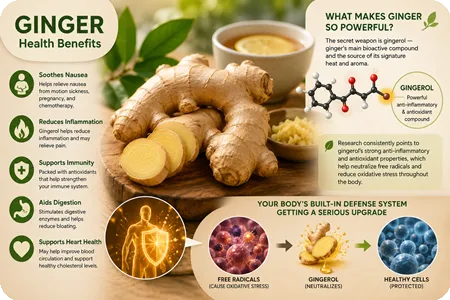
Ginger has been a cornerstone of traditional medicine for thousands of years — and modern science is finally catching up. This humble root packs a serious punch, offering benefits that go far beyond just flavoring your stir-fry. Here’s a deep dive into what ginger can actually do for your body.
What Makes Ginger So Powerful?
The secret weapon is gingerol — ginger’s main bioactive compound and the source of its signature heat and aroma. Research consistently points to gingerol’s strong anti-inflammatory and antioxidant properties, which help neutralize free radicals and reduce oxidative stress throughout the body. Think of it as your body’s built-in defense system getting a serious upgrade.
11 Evidence-Backed Health Benefits of Ginger
1. Crushes Nausea — Fast

Whether it’s morning sickness, post-surgery queasiness, or chemo-related nausea, ginger is one of the most well-studied natural remedies out there. It works quickly and gently, making it a go-to for pregnant women and patients alike. (If you’re pregnant, check with your doctor before going heavy on ginger, especially late in your term.)
2. Supports Weight Loss
Struggling to shed stubborn pounds? Ginger might give you an edge. Research reviews have found that regular ginger consumption can positively affect body weight and waist-hip ratios in overweight individuals — likely due to its anti-inflammatory and metabolism-boosting effects.
3. Eases Osteoarthritis Pain

Joint pain and stiffness from osteoarthritis — particularly in the knees — may respond well to ginger supplementation. Multiple studies show measurable reductions in pain and improved mobility, making it a compelling natural option alongside conventional treatments.
4. Stabilizes Blood Sugar and Protects Heart Health
For people managing type 2 diabetes, ginger shows real promise. Studies have linked ginger supplementation to lower fasting blood sugar levels and reduced markers for heart disease risk — a two-for-one that’s hard to ignore.
5. Relieves Chronic Indigestion

If you deal with bloating or that uncomfortable full feeling that just won’t quit, ginger can help speed up stomach emptying. This is especially useful for people with functional dyspepsia, where indigestion has no clear underlying cause.
6. Reduces Menstrual Pain Naturally
Research suggests ginger may be just as effective as common OTC pain relievers like ibuprofen for managing menstrual cramps. If you’re looking to cut back on pills, ginger tea or supplements around that time of month could be worth trying.
7. Improves Cholesterol Levels
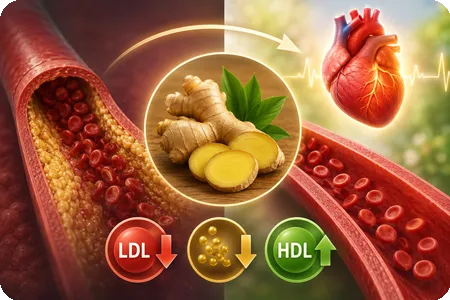
High LDL (“bad”) cholesterol is a major risk factor for heart disease. Studies indicate ginger can meaningfully lower LDL and triglyceride levels while raising HDL (“good”) cholesterol — a trifecta for cardiovascular health.
8. May Help Prevent Certain Cancers
Early-stage research suggests that gingerol and other bioactive compounds in ginger may have anticancer properties, particularly against gastrointestinal cancers. Most studies are still in early phases, but the preliminary data is encouraging.
9. Protects Brain Health
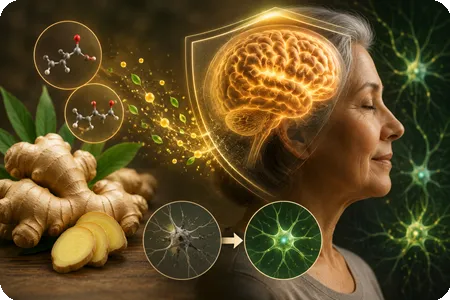
Compounds like 6-shogaol and 6-gingerol have shown neuroprotective potential in studies, possibly slowing the progression of conditions like Alzheimer’s and Parkinson’s. Ginger’s antioxidant activity may actively reduce brain inflammation and support long-term cognitive function.
10. Fights Bacteria and Fungal Infections
Lab studies have confirmed ginger’s antimicrobial activity against a range of pathogens — including Staphylococcus aureus and E. coli. While it’s not a replacement for antibiotics, it’s a solid natural complement to your immune defense.
How to Get More Ginger in Your Life
- Fresh ginger tea — steep a few slices in hot water for 10 minutes
- Smoothies — toss in a small knob of fresh ginger
- Cooking — stir-fries, soups, and marinades
- Supplements — standardized ginger capsules for therapeutic doses
The Bottom Line
Ginger is one of the most versatile, well-researched natural remedies available — and it’s sitting right in your grocery store. From fighting nausea and inflammation to protecting your brain and heart, the benefits are real and backed by science. Like any supplement, moderation matters and it’s always smart to loop in your doctor if you’re managing a specific health condition.
Disclaimer: This article is for informational purposes only and does not constitute medical advice. Always consult a qualified healthcare provider before starting any new supplement regimen.